Comparing Digital vs Traditional Patient Symptom Tracking
These articles reflect our opinions and thoughts on the subjects covered, not purely factual statements. We encourage readers to consult multiple sources and their own medical professionals.
Digital symptom tracking tools are reshaping healthcare, offering real-time data, better security, and improved patient outcomes. Paper-based methods, while simple and affordable, often face challenges with data accuracy and compliance. Here's a quick comparison:
Key Insights:
- Digital tracking reduces hospitalizations by 39% and saves $1,146 per patient monthly.
- Paper-based tracking is budget-friendly but prone to errors and lower compliance.
- Tools like SeamlessMD cut readmissions by 72%, while apps like Ada offer free symptom assessments.
Quick Comparison Table:
| Aspect | Digital Tracking | Paper-Based Tracking |
|---|---|---|
| Data Analysis | Real-time, automated | Manual, time-consuming |
| Accessibility | Mobile devices, remote | Physical location only |
| Security | Password-protected, HIPAA | Prone to loss |
| Cost | Higher upfront, saves long-term | Low initial cost |
| Compliance | 90–97% | Around 30% |
For large healthcare systems, digital tracking offers long-term benefits and efficiency. Smaller practices may still prefer paper tools for their simplicity and low cost. Choose the method that fits your needs while prioritizing patient outcomes and data accuracy.
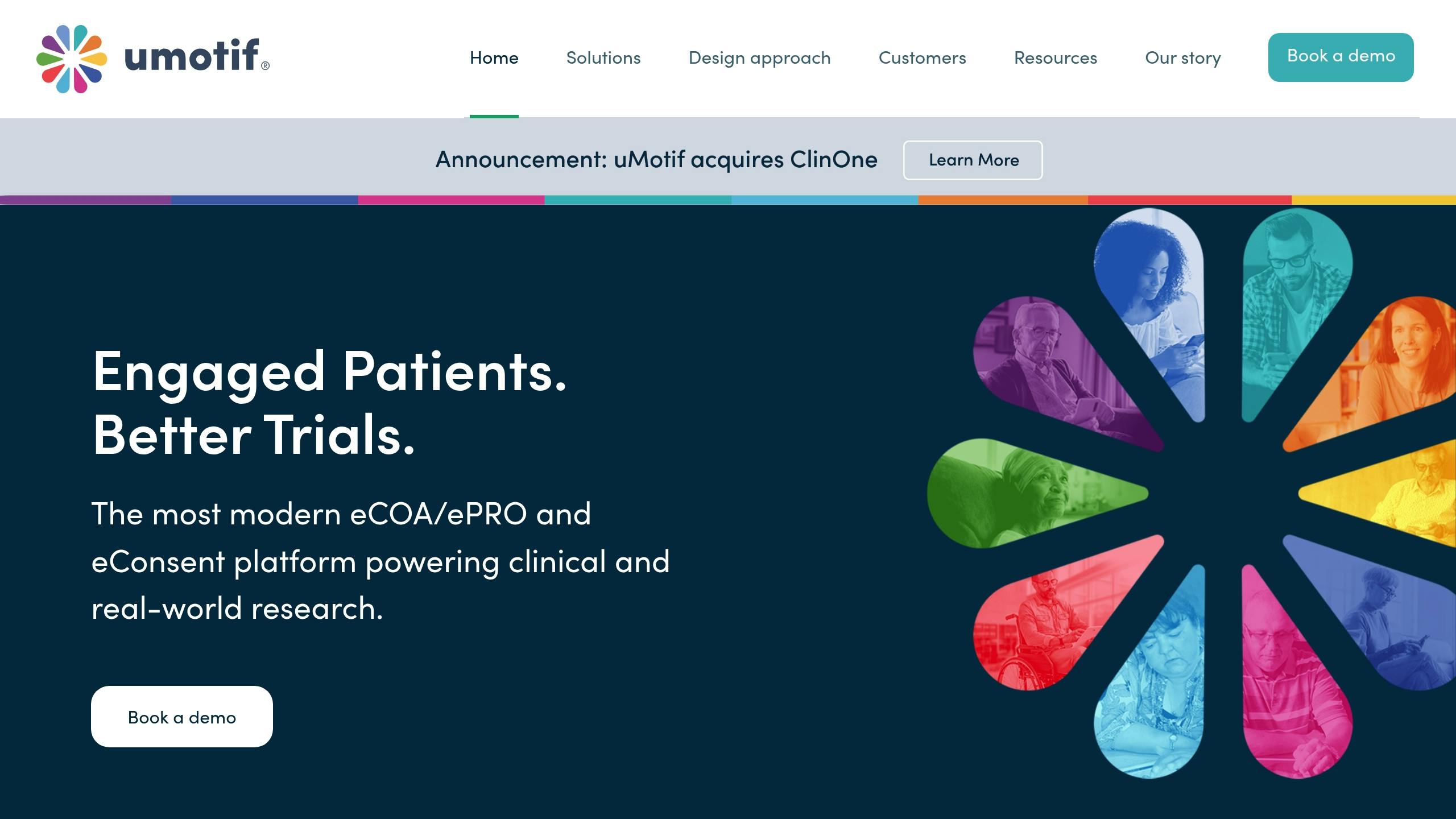
Digital disease tracking: the uMotif app for symptom-tracking
1. Digital Tracking Systems
Digital symptom tracking is reshaping how patients are monitored. For example, SeamlessMD has shown impressive results, cutting readmissions by 72% and saving $2,386 per patient at Rush University [4].
Popular Digital Tracking Solutions
There are plenty of digital tracking tools available, each offering different features and catering to various needs. Here's a quick look:
| Platform | Key Features | Cost | User Rating |
|---|---|---|---|
| CareClinic | Team sharing, broad health tracking | $9.99/month | Not available |
| Bearable | Focused on mental health and chronic illness | $34.99/year | 4.7/5 (App Store) |
| Ada | Symptom assessment and health monitoring | Free | 4.8/5 (iOS) |
| Symptom Tracker | Tracks medication adherence | Free | 4.3/5 (App Store) |
Real-World Impact
These platforms go beyond just tracking - they deliver measurable results. For instance, Symptom Tracker users saw a 32% improvement in medication adherence and a 27% boost in symptom control within just three months [3]. Meanwhile, Ada has performed over 33 million symptom assessments for its 13 million users [2].
Key Features to Look For
Modern digital tracking tools stand out thanks to features like:
- Data Protection: Secure storage and HIPAA compliance.
- Remote Access: Easy sharing with healthcare teams.
- Versatile Tracking: Ability to monitor a wide range of symptoms.
- Smart Notifications: Automated reminders to keep users on track.
These features make digital systems far more effective than outdated paper-based methods.
Implementation Considerations
To fully benefit from digital tracking systems, careful planning is essential. Here's how organizations can successfully adopt these tools:
- Define clear goals and outcome metrics.
- Gain support from leadership.
- Assign responsibility for managing the system.
- Ensure seamless IT integration.
- Provide thorough training for staff.
Caroline Fanti, Director of Regional Surgical Services at Thunder Bay Regional Health Sciences Centre, shared her experience with SeamlessMD:
"We have now had several patients that had their first joint replacement surgery completed at the beginning of the pandemic, and their second joint replacement in the past months with the SeamlessMD app. The feedback we have received is very compelling with patients saying their experience was 100x better with the app and the support of our NP." [4]
Dr. Daniel Chu, ERAS Medical Director at UAB Medicine, highlighted the patient benefits:
"Surgery is often a confusing and overwhelming process for patients... Our patients can connect via desktops, tablets, or mobile devices with SeamlessMD so they are engaged with the recovery process both before and after surgery." [4]
Even for chronic conditions, the impact is undeniable. One Fibromyalgia patient shared:
"Symptom Tracker changed my life. I finally understand my body. It's like having a translator for my health." [3]
sbb-itb-47dda89
2. Paper-Based Tracking Methods
Paper-based tracking remains popular because it's affordable and easy to use. Common approaches include patient diaries, log sheets, and manual systems to document symptoms and health patterns over time.
Common Paper-Based Tools
The American Academy of Family Physicians (AAFP) offers standardized tools for tracking various health aspects. These include specialized diaries for:
| Diary Type | Key Tracking Elements | Recommended Update Frequency |
|---|---|---|
| General Symptom | Timing, duration, triggers | Daily |
| Headache | Pain intensity, medications | Per episode |
| Food & Exercise | Intake, activity levels | 2–3 times daily |
| Voiding | Timing, frequency, fluid intake | Daily |
| Sleep | Duration, quality, patterns | Morning and evening |
These tools, while basic, have shown to improve patient outcomes.
Implementation Success Stories
For example, food diaries have been shown to double weight loss results [6]. Organizations like ASPIRE have used paper tools like the PANS Symptom Scale-Parent Version and the PANS Rating Scale (available as PDFs or Google Sheets) to help patients track symptoms effectively [5]. These examples highlight the usefulness of paper-based methods in clinical settings.
Clinical Benefits
Structured paper diaries can simplify patient history reviews and reduce the need for extra tests. For healthcare providers, reviewing a concise, one-page diary is often faster and more efficient than conducting lengthy verbal interviews [6].
Practical Considerations
Despite their advantages, paper tracking methods come with challenges:
- Data Quality: Studies show that 37.5% of paper diary entries don't match clinical examination notes [7].
- Compliance Issues: Patients may skip entries or fill them out after the fact, leading to inaccuracies [7].
Best Practices for Implementation
To address these challenges, consider the following:
- Design formats that meet individual patient needs.
- Clearly explain the benefits of tracking.
- Provide simple instructions for completing entries.
- Review diaries regularly with patients.
- Ensure secure storage for sensitive information.
Paper-based tracking remains a helpful option, especially for those who prefer physical records or lack access to digital tools. Success depends on thoughtful implementation and consistent use.
Benefits and Limitations
This analysis takes a closer look at the advantages and challenges of digital and paper-based symptom tracking methods. By comparing these approaches, we can better understand their differences and potential applications.
Accuracy and Data Quality
A study comparing paper diaries with Interactive Voice Response Systems (IVRS) found that paper records had a missing data rate of just 0.45%, while IVRS entries missed 4.12% of data. Interestingly, 94.44% of 10,080 paired symptom entries matched perfectly, showing both methods can provide reliable data when used correctly [8].
Cost Considerations
The financial aspects of digital and paper-based systems vary significantly:
| Factor | Digital Systems | Paper-Based Systems |
|---|---|---|
| Initial Investment | Up to 10x higher than paper methods | Low startup costs |
| Long-term Costs | Becomes cost-effective after 39,551 pages | Higher ongoing labor and storage costs |
| Compliance Rate | Generally 90–97% | Around 30% or lower |
| Data Management | Automated, reducing labor costs | Requires manual processing |
While digital systems require a higher initial investment, they often save money in the long run due to better compliance and automated data handling [9].
Clinical Impact and Patient Outcomes
These cost differences also influence patient outcomes. Research shows that digital symptom tracking can improve healthcare results. For example, patients using digital self-reporting systems had a five-month increase in median overall survival (31.2 months vs. 26.0 months), experienced a 31% boost in quality of life, and saw a 7% drop in emergency room visits [10].
User Experience and Adoption
Patient and provider preferences play a big role in adoption. One study found that 85% of participants preferred paper-based methods, while only 4% liked IVRS, and 11% had no preference [8]. That said, digital platforms often stand out for their ease of use and ability to keep users engaged.
Healthcare Provider Efficiency
Digital systems also improve efficiency for healthcare providers. For instance, one study showed that nurses acted on automated email alerts 77% of the time, enabling faster interventions and reducing emergency care needs. Tools like Patient Watch further simplify workflows by offering real-time symptom tracking and automated management features.
Integration Challenges
However, challenges like system integration remain. The PRO-TECT trial highlighted issues when symptom tracking systems weren't connected to electronic health records, making it inconvenient for staff to review patient reports [1]. Ensuring compatibility is key to fully realizing the benefits of these systems in clinical settings.
Conclusion
The evolution of symptom tracking is pushing healthcare providers to reassess their approaches. Research and practical evidence highlight several factors that influence the choice of tracking methods.
For large healthcare organizations and practices managing chronic conditions, digital tracking systems stand out. The STAR trial, for instance, highlights reduced emergency admissions and better survival rates [12].
When implementing digital systems, several factors need attention:
| Implementation Factor | Key Requirements |
|---|---|
| Initial Setup | Integrated EHR, staff training, patient education |
| Resource Allocation | 5% clinical staff effort per 100 patients |
| Alert Management | Respond to ~30% of triggered surveys |
| Compliance Goals | Aim for 75% patient participation |
| Staff Engagement | Address 50% of alerts |
Digital systems provide a more sophisticated option compared to paper-based methods, especially for organizations with significant resources. However, smaller practices might still prefer paper-based systems due to lower upfront costs and ease of use, even if they often result in lower patient compliance.
For those moving toward digital solutions, prioritizing EHR integration and patient engagement is essential. Dr. Ethan Basch, MD, MSc, Chief of Oncology at UNC School of Medicine, explains:
"This care enhancement generally includes software that prompts patients to self-report their symptoms on a regular basis via a survey, using a computer or connected device (e.g., weekly). Severe or worsening symptoms trigger alert notifications to the care team to react and manage concerning symptoms." [11]
Key steps for organizations include:
- Choosing validated questionnaires like the NCI's PRO-CTCAE or EORTC QLQ-C30 for symptom monitoring
- Using quality improvement frameworks to implement tracking solutions
- Providing technical support and staff training
- Actively monitoring patient participation and clinical responses
Digital tools also save time, cutting assessment durations from 180 minutes to just 7–8 minutes [13]. This efficiency positions them as a likely standard for modern symptom tracking in healthcare.

Guy built Patient Watch at Imperial College London for his father, an orthopaedic surgeon. Today, NHS and private clinics use Patient Watch to automate questionnaire schedules, track patient recovery after injections and surgery, and collect real-world clinical evidence.
Related articles
Design the patient workflow before you call it a registry
How we think about designing a medical registry: the steps a person actually walks, where that workflow usually breaks, and why it has to stay one flow.
Decentralised clinical studies: collecting real-world data without the CRO price tag
A practical guide for medical device manufacturers and clinical researchers running remote longitudinal studies and PMCF data collection.
3 real benefits of remote patient monitoring in clinical practice
Where remote patient monitoring actually helps: replacing wasted appointments, capturing recovery trends, and expanding clinical capacity.